Worried about staying safe while traveling alone? These 11 practical strategies will help you travel with confidence, protect your belongings, and handle unexpected situations.
1. Research Routes and Neighborhoods Before You Arrive
Look up the areas you will visit, including where your hotel, transport hubs, and attractions are located. Check recent traveler reports and local forums to spot any safety concerns or common scams.
Plan arrival routes from the airport or station so you do not wander while tired, and mark safe alternatives if your first option feels wrong. Knowing which neighborhoods to avoid at night can save time and stress.
Pro Tip: Save offline maps and screenshots of your routes so you can navigate without a connection.
2. Share Your Itinerary, But Keep Details Minimal
Give a trusted friend or family member key details like flight numbers, hotel name, and rough daily plans. Regular check-ins by text or a quick call create a safety net without broadcasting your every move.
Use a trusted contact system with set check-in times and an agreed signal if you need help. This keeps others aware without turning your trip into a live broadcast.
Quick Tip: Use a shared document with only necessary details, and update it if plans change.
3. Use Tech to Improve Situational Awareness
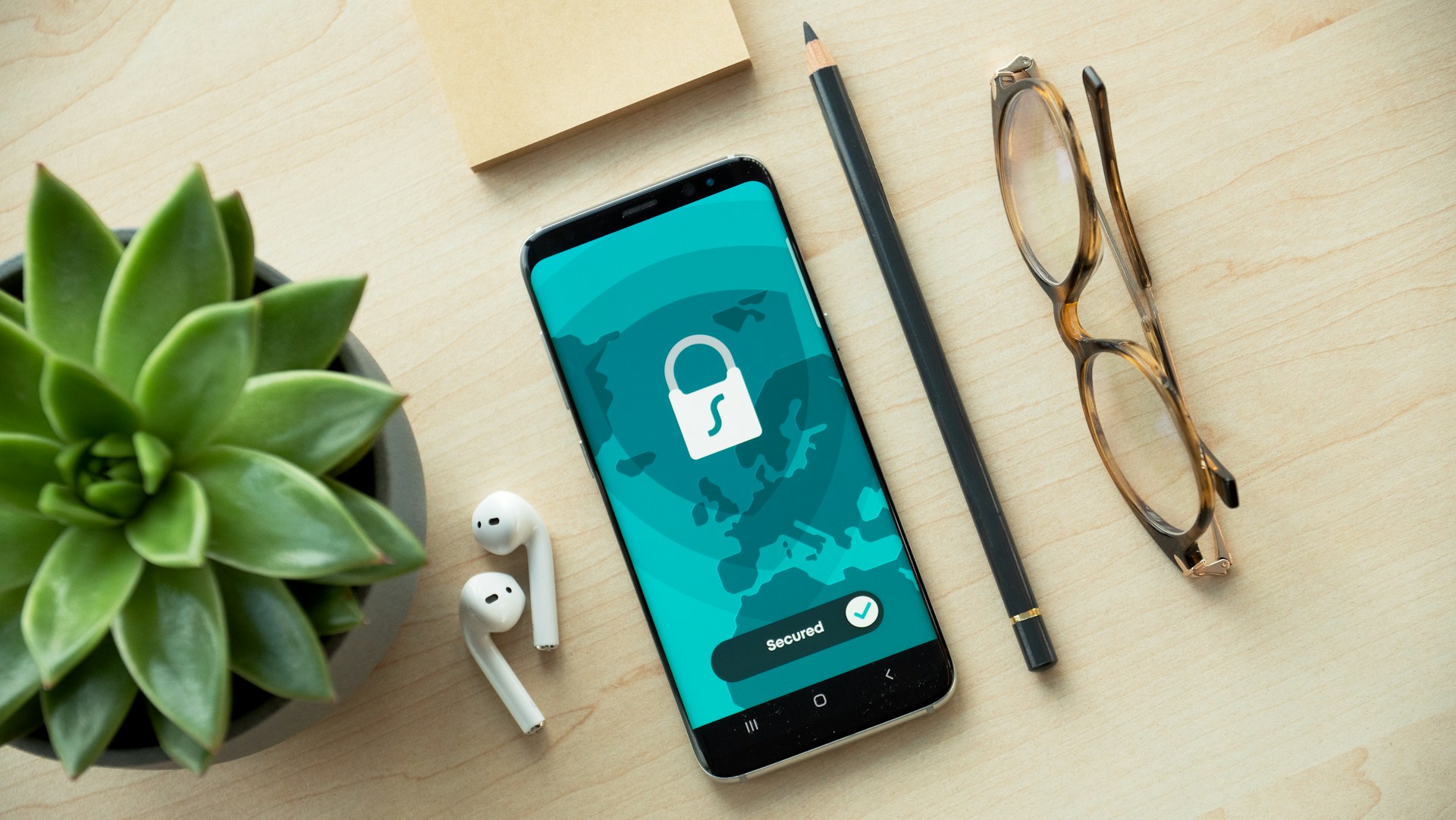
Install trustworthy safety apps that share location with contacts, provide emergency numbers, or offer quick access to local police and embassy details. Set up two-factor authentication on accounts to protect against remote access.
Download offline maps and have a local SIM or eSIM for reliable data when exploring. Keep battery-saving tools and a portable charger within reach to avoid getting stranded without power.
Expert Insight: Turn off automatic check-ins on social apps while traveling, so your real-time location is not public.
4. Blend In, Don’t Broadcast You Are a Tourist
Adopt local dress cues and avoid flashy jewelry that might attract thieves. Carry a neutral-looking bag and keep valuables hidden in inner pockets to reduce the chance of opportunistic theft.
Observe local behavior around personal space and public transport to avoid standing out. Small adjustments in posture and tone can help you appear confident and less vulnerable.
Insider Tip: Learn common local customs for simple greetings, it helps you look less like a visitor.
5. Secure Documents and Valuables Strategically
Use a money belt or neck pouch for passports, extra cards, and emergency cash, and store photocopies separately. Consider locking luggage and using hotel safes when available.
Scan and email copies of important documents to yourself and a trusted contact, so you can retrieve them if originals are lost. Keep one emergency card with a contact number in your pack.
Heads Up: Store cards and cash in multiple places so a single pickpocket attempt does not ruin your trip.
6. Choose Safe, Verified Transport Options
Pre-book airport transfers where possible, and use reputable companies with verified driver details. For ride-hailing, confirm the license plate, driver name, and app photo before entering the car.
Avoid unmarked taxis at night and ask hotel staff to call a trusted service if you need a ride. When using public transport, stay near well-lit, populated carriages or platforms.
Worth Knowing: Share your live trip with a contact when using a taxi to add a layer of security.
7. Trust Your Instincts and Set Clear Boundaries
If a situation feels off, leave without apology and head to a busy, well-lit place. Saying no firmly and moving away quickly signals confidence and reduces the chance of escalation.
Politely avoid oversharing personal plans with new acquaintances and keep details like how long you will be gone vague. Your comfort and safety matter more than politeness with strangers.
Pro Tip: Have a brief exit line ready, such as saying you need to check your phone or meet someone, to end awkward conversations smoothly.
8. Keep Cash, Cards, and Electronics Organized
Carry the right mix of cash and cards to avoid relying on a single payment method. Place emergency cash in a separate hidden pocket and rotate which wallet you use.
Limit the number of devices you carry and password-protect everything with strong, unique codes. If a device contains sensitive information, lock or wipe it remotely if it gets stolen.
Quick Tip: Use a small, lightweight pouch clipped inside your bag for daily spending to reduce rummaging that attracts attention.
9. Learn Key Local Phrases and Emergency Numbers
Memorize simple phrases like “I need help” and “Where is the hospital” in the local language, so you can ask for assistance quickly. Also note the local emergency number and the address of your embassy or consulate.
Carry a printed card with key phrases and emergency contacts tucked into your wallet. Language difficulties fade when you have a small, reliable tool to communicate urgent needs.
Expert Insight: Put emergency numbers into your phone under clear labels, and add an ICE contact for first responders.
10. Manage Alcohol and Social Risks
Drink moderately and watch your drink at all times, especially in busy bars and clubs. If offered a drink by someone you do not trust, politely decline and get a sealed drink from the bar.
Plan safe transport home before you go out and keep a trusted contact informed of your evening plans. Avoid accepting rides from people you have just met even if the offer seems generous.
Insider Tip: Carry a small bottle of water or a nonalcoholic drink so you can refuse something without standing out.
11. Prepare for Medical and Unexpected Emergencies
Buy travel insurance that covers medical evacuation and emergencies, and carry basic first aid supplies and any prescription medicines in original packaging. Know which clinics accept your insurance and where the nearest hospital is located.
Register with your embassy if you are traveling to remote or high-risk regions, so they can assist during a crisis. Keep a concise medical note with allergies and emergency contacts in your wallet.
Heads Up: Store digital copies of prescriptions and insurance details in a secure cloud folder for quick access.
Ready, Safe, and Curious?
Safety on solo trips is a mix of planning, awareness, and a few practical habits that protect you without spoiling the adventure. Which safety strategy made the biggest difference on a trip you took, and what would you add to this list?